There are many different types of food in Nepal, but the food from the Thakali community is one of the most popular with both locals and tourists. There are many signs in the busy streets of the capital that promise a traditional meal, but to really experience the authentic Thakali food culture, you need to look beyond a simple plate of rice and lentils. This particular culinary tradition hails from the Thak Khola area in the Mustang district. The high altitude, the cold winds of the Himalayas, and the old salt trade routes that connected Tibet with the southern plains all helped shape this tradition.
What makes this food beautiful is how simple it is and how well the flavors work together. It’s not about using a lot of hard-to-find spices; it’s about using a few high-quality ones in the right way. For people who want to learn more about this legacy, going to a historic site like Monalisa Thakali Kathmandu can help them do that. For over 40 years, this place has helped keep the spirit of the mountains alive in the city by focusing on the purity of the ingredients and the original methods of the Mustang valley.
The Historical Journey of the Thak Khola People
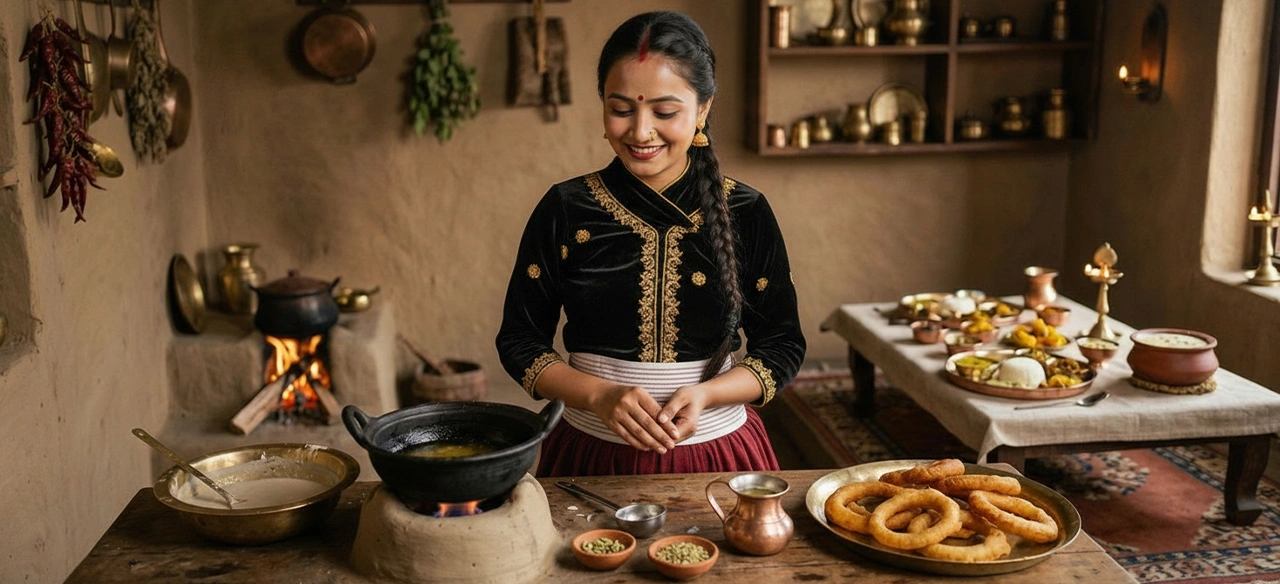
To truly appreciate authentic Thakali food culture, one must understand the history of the people who created it. The Thakali people used to live in the area between the dry Tibetan plateau and the lush lowlands. They became great hosts because their homeland was a major center for the ancient salt trade. They ran inns and rest stops for traders, which helped their cooking become a very refined and balanced system.
Because of this trade history, Thakali cooks could get special ingredients from both the north and the south. They made a flavor profile that is different from any other ethnic group in Nepal by mixing mountain herbs with spices from the plains. When you eat food made in the Tukuche style, you are tasting a history of people from different cultures living together and sharing food. This deep-rooted heritage is what makes a meal at a restaurant different from a real traditional meal.
Essential Ingredients that Define the Thakali Palate
The flavor of authentic Thakali food culture is built on a foundation of specific ingredients that are native to the high Himalayas. These items are not just for taste but also for their nutritional value in a harsh climate.
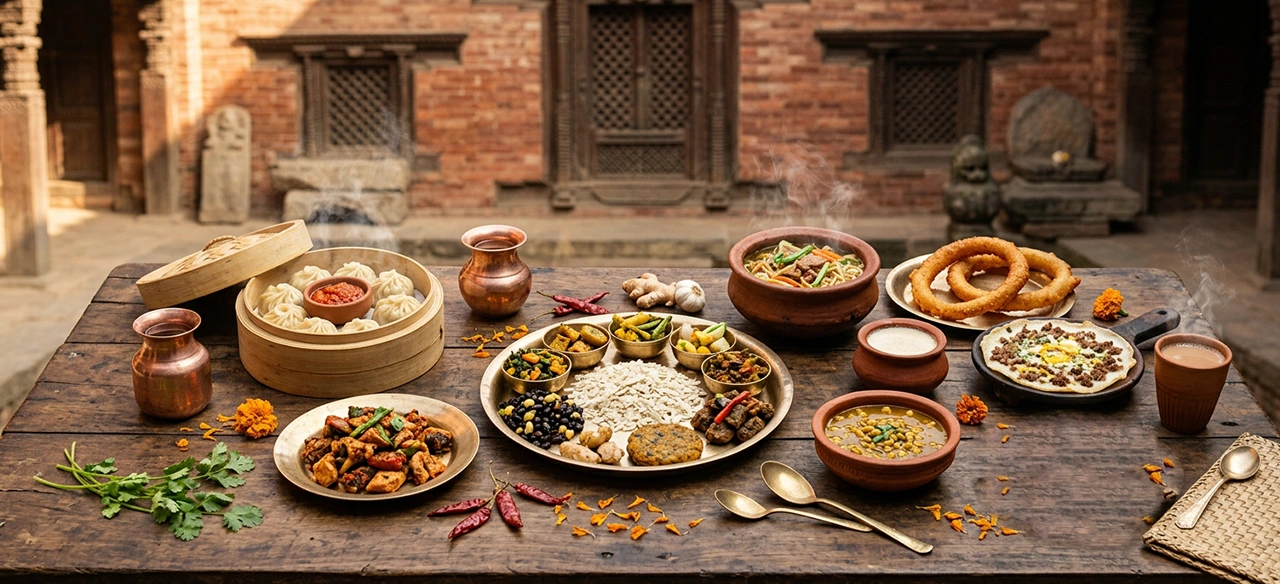
- Jimbu: This is perhaps the most iconic herb in this cuisine. It is a dried wild onion that grows in the high mountains. When it is tempered in hot ghee, it releases an earthy and smoky aroma that is essential for the lentils.
- Timmur: Often called Szechuan pepper, this spice provides a unique citrusy note and a slight numbing sensation. It is a key part of the chutneys and the dry vegetable dishes.
- Local Ghee: In the mountains, fat is a source of warmth and energy. Pure clarified butter is used generously to add richness and to help the body digest the fiber rich grains.
- Buckwheat and Barley: Rice is common now, but in the past, mountain meals often included flours made from these tough grains, which were usually served as a thick porridge called dhido.
The Structure of a Traditional Thakali Meal Set
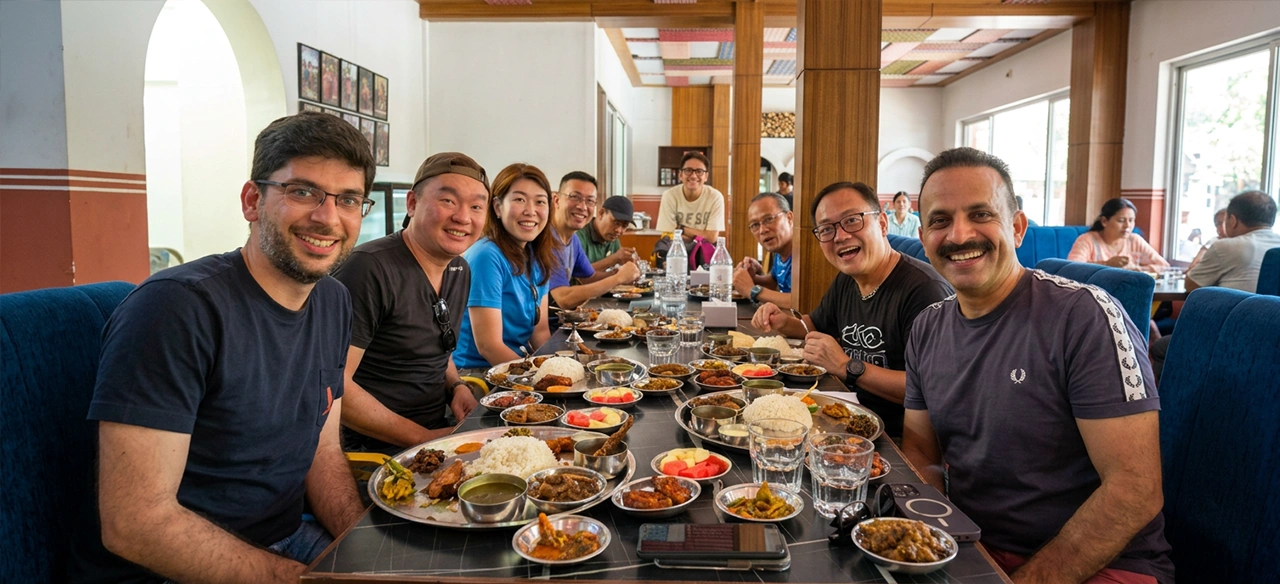
A meal that is well-balanced is one where all the food on the plate goes well together. You can tell that the colors and textures in a set served at Monalisa Thakali Kathmandu are arranged on purpose. The goal is to make a meal that tastes good, smells good, looks good, and keeps you full.
- Polished Rice or Dhido: This serves as the neutral base for the stronger flavors of the curries and pickles.
- Black Lentils: Known as Maas ko Dal, these are slow cooked in iron pots. The iron interacts with the lentils to give them a deep, dark color and a creamy consistency.
- Fried Potatoes: Since potatoes are a staple in the Mustang region, they are usually sliced thin and fried with local spices until they are crispy.
- Fermented Greens: Gundruk or fermented leafy vegetables provide a sour contrast that helps cut through the richness of the ghee.
- Seasonal Meat: Whether it is local chicken or mutton, the meat is usually prepared in a thin, spicy gravy that highlights the natural flavors of the livestock.
How Monalisa Thakali Kathmandu Preserves this Legacy
In a city that changes quickly, it’s easy to change old recipes to make them faster. Still, Monalisa Thakali Kathmandu has kept its good name by not taking shortcuts. The restaurant has been preserving the authentic Thakali culinary culture in the Naxal area since 1980, ensuring that guests experience authentic Thakali food culture. The founders brought their knowledge straight from Tukuche, which made sure that the spices and ghee were always up to the standards set by their ancestors.
Families and food lovers still love this restaurant because of this dedication. You don’t just get a quick lunch when you eat here. You are taking part in a tradition of hospitality that started in the mountain inns of Mustang. The staff follows strict service rules to make sure your plate is always full, which is a key part of the Thakali way of life.
Common Misconceptions About Thakali Cooking
A lot of people think that any Nepali food served on a brass plate is Thakali. This is a mistake that doesn’t take into account the subtleties of authentic Thakali food culture. A common mistake is to think that the food should be very spicy. In reality, the heat in a Thakali meal comes from the pepper and the pickles, not from a lot of chili powder.
Another misconception is regarding the use of oil. While many modern restaurants use vegetable oil, a traditional set relies heavily on mustard oil and ghee. These fats provide the specific mouthfeel and aromatic quality that defines the cuisine. Understanding these small details is what allows a diner to distinguish between a commercial imitation and the real thing.
Frequently Asked Questions about Authentic Thakali Food Culture
What makes the lentils in a Thakali set look so dark?
The dark color comes from cooking the lentils in traditional iron pots. The minerals from the iron pot react with the lentils over a long period of slow cooking, which also increases the nutritional value of the dish.
Is Jimbu necessary for the meal to be authentic?
Yes, Jimbu is the soul of the Thakali dal. Without the smoky flavor of this Himalayan herb tempered in ghee, the meal lacks the signature profile of authentic Thakali food culture.
Why is ghee served separately on the rice?
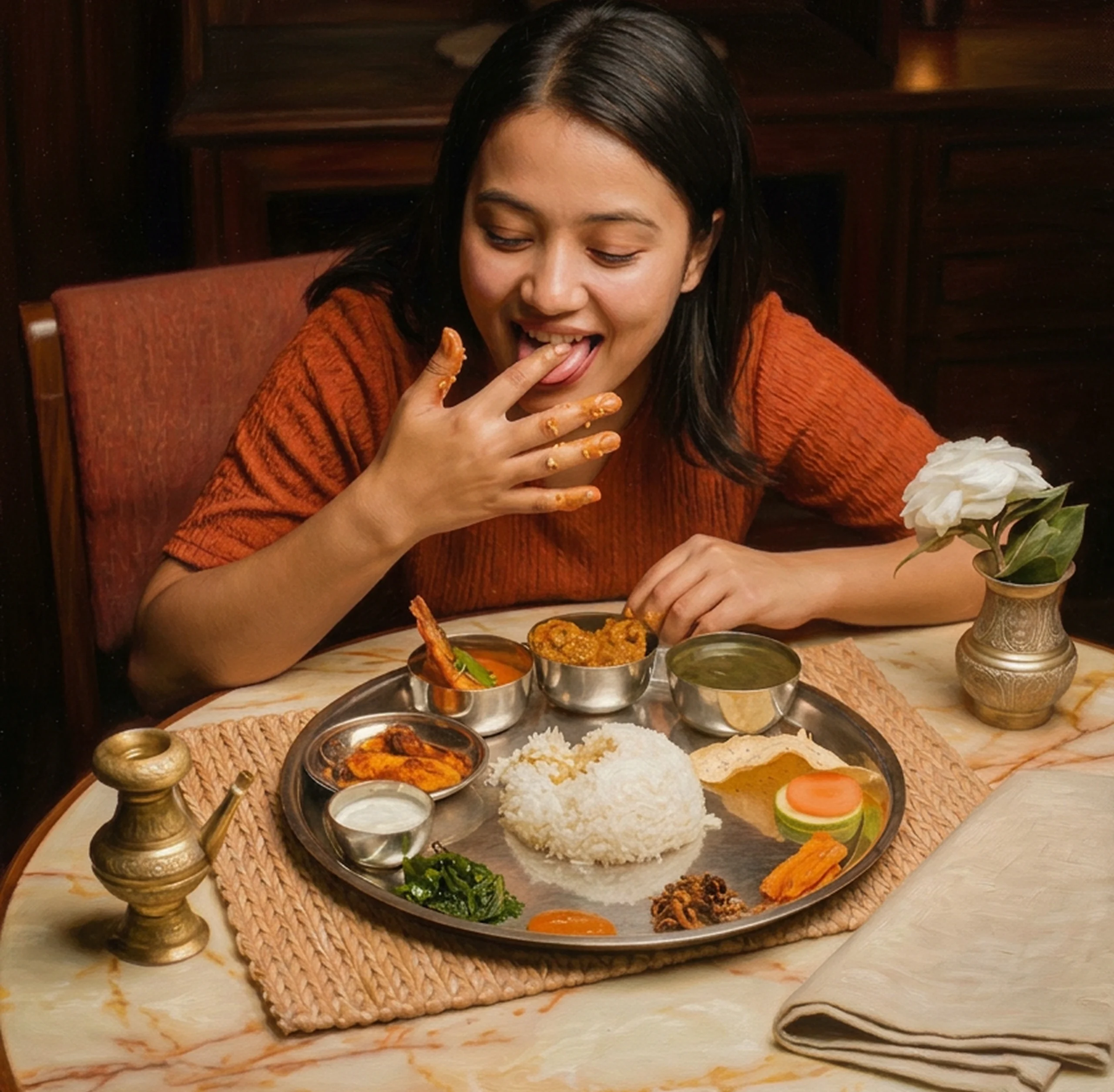
Serving ghee on top of the rice is a sign of hospitality. It allows the diner to see the quality of the fat and ensures that the flavor of the ghee is fresh when it hits the warm rice.
Can I find a vegetarian version of this meal?
Absolutely. While meat is popular, the vegetarian set is very traditional because lentils and fermented vegetables have always been the primary sources of nutrition in the mountains.
Where is the best place to experience authentic Thakali food culture in Naxal?
Monalisa Thakali Kathmandu is the most famous spot in the Naxal area. It is located right across from the Bhatbhateni supermarket and is known for its long history and consistent taste.
Conclusion
Learning about the authentic Thakali food culture is one of the best things you can do in Nepal. It is a meal that honors the land and the food it comes from. You can taste the results of centuries of mountain life by going to a place that honors these traditions, like Monalisa Thakali Kathmandu. The smoky lentils, nutty ghee, and sour pickles work together in a way that is hard to find anywhere else. When you finish your meal, you’ll see why this simple custom is such an important part of Nepali culture.