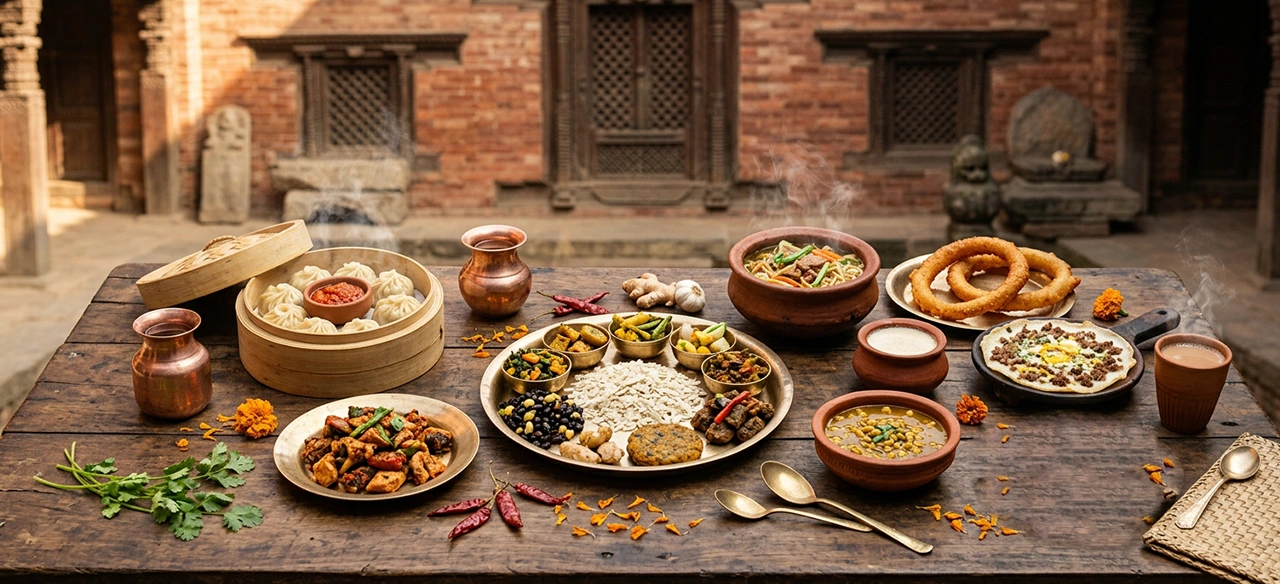
Traditional Nepali food is the wide variety of dishes and cooking styles that different ethnic groups in different parts of Nepal have created. We can tell these meals apart by the local grains, seasonal vegetables, and certain Himalayan spices like jimbu or timur that grow in the high hills. Most Nepali households eat lentils, rice, and vegetables every day to give them energy for physical work in a variety of landscapes.
Popular Traditional Nepali Dishes
Most of the time, traditional Nepali dishes are made with fresh, local ingredients that are easy to find at a neighborhood market or in a home garden. We make these meals using basic kitchen tools and cooking methods that have been used by families for hundreds of years. Some foods are eaten every day, while others are saved for big family gatherings or celebrations to mark special events.
1. Dal Bhat
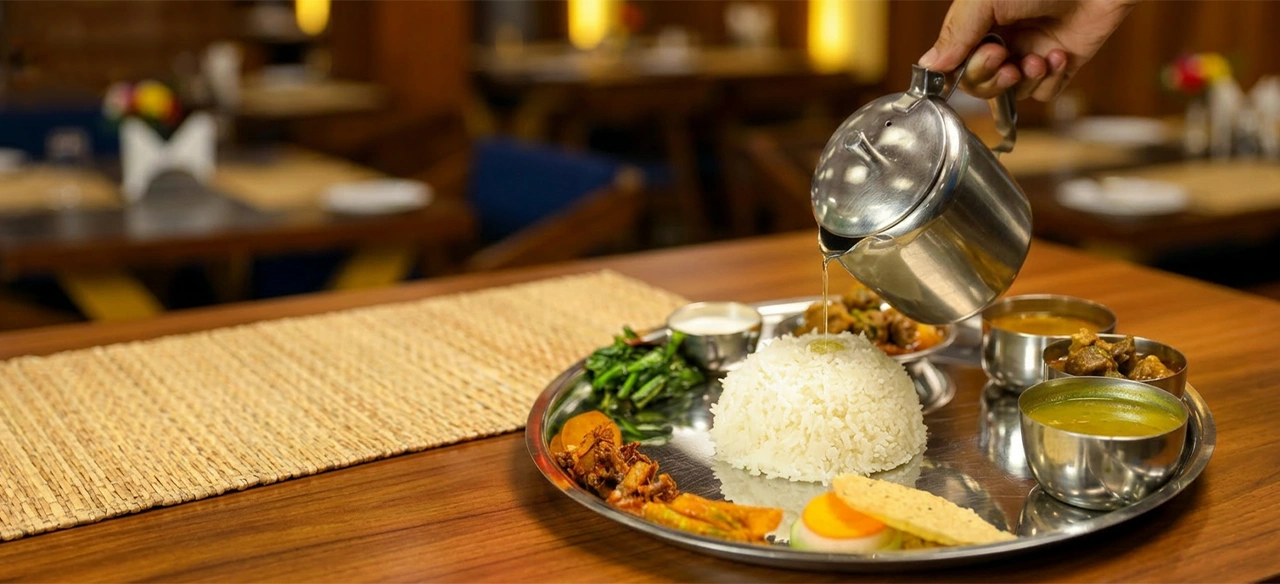
Dal Bhat is the most common meal across the country and consists of lentil soup served over boiled rice. We usually pair this with a vegetable curry called tarkari and a spicy pickle known as achar to add extra flavor. It is a complete meal that provides all the necessary nutrients a person needs for a long day of work in the fields or the city.
2. Sel Roti
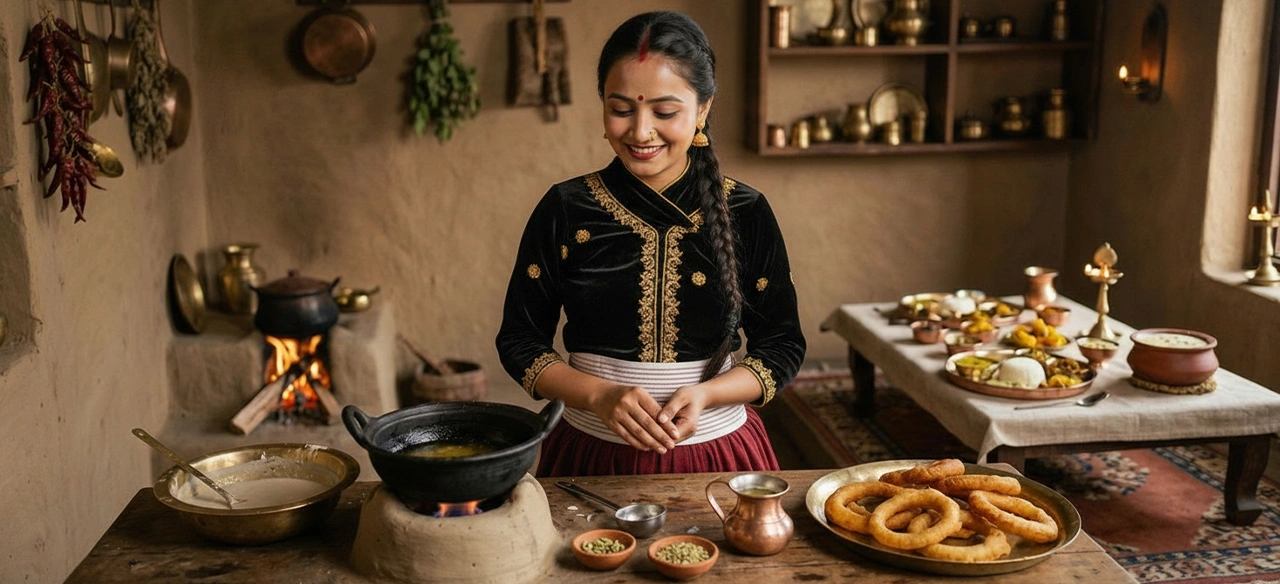
Sel Roti is a ring-shaped sweet bread made from rice flour that is deep-fried until it becomes crunchy on the outside and soft inside. It is traditionally prepared during big festivals like Dashain and Tihar to share with friends and relatives. The rice is soaked overnight and ground into a fine paste before being fried in hot ghee or oil to create the perfect shape.
3. Dhido
Dhido is a thick porridge made by adding flour from millet or buckwheat into boiling water and stirring it constantly with a wooden spatula. It is often eaten in the hilly regions instead of rice because it stays in the stomach longer and gives more strength for climbing steep paths. We typically eat dhido by dipping small balls of it into hot meat soup or fresh milk.
4. Momo
Momo is a type of steamed dumpling filled with minced meat or vegetables and is a favorite snack for many people in Nepal. The dough is made from simple wheat flour and water, and the filling is seasoned with ginger, garlic, onions, and local spices. We always serve momos with a tomato-based dipping sauce that often has a hint of Sichuan pepper for a tingly taste.
Traditional Nepali Food and Culture
Traditional nepali food and culture are tied together because most meals are prepared according to local customs and seasonal changes. We use food to show respect to our guests and to celebrate the different histories of the many ethnic groups living in the country. In a typical home, the kitchen is considered a very clean and special place where the whole family gathers to eat together.
Feasts of the Newari community
The Newar people of the Kathmandu Valley have created over two hundred unique dishes that are a big part of traditional nepali food and culture. They use buffalo meat, beaten rice, and various types of beans in their large feasts called Samay Baji. Their cooking often uses mustard oil and a unique blend of spices that gives the food a very distinct smell and taste compared to other regions.
Fermentation as a kitchen tradition
Fermentation is a common way to preserve food in Nepal for the winter months when fresh vegetables are hard to find. Gundruk is made by fermenting leafy green vegetables, and it is used to make a sour and savory soup that is very popular in the hills. Sinki is another fermented product made from radish roots that adds a unique tang to meals and helps keep the tradition of saving food alive.
Himalayan herbs and flavorings
The taste of our food comes from special herbs and spices that grow wild in the Himalayan hills and forests. Jimbu is a dried herb from the onion family that we use to temper our lentils to give them an earthy, local flavor. Timur is another popular spice that provides a tingly sensation on the tongue and is used in almost every homemade pickle or meat dish.
Cooking on the clay chulho
Many homes in rural areas still use a wood-fire stove made of clay, known as a chulo, which adds a smoky flavor to the rice and curries. We believe that slow cooking over a low flame in iron pots makes the food taste much richer than fast cooking on a modern gas stove. This method of cooking is a core part of how we prepare traditional nepali food for large families.
Regional Varieties of Nepali Food
The types of traditional nepali food you find will change significantly depending on which part of the country you are visiting. In the high mountains, people eat foods that help them stay warm in the snow, while in the flat plains, the food is lighter and made with more rice. We adapt our recipes based on what can grow in the local soil and what the weather is like in that specific area.
Mountain region diet
In the high Himalayas, people eat a lot of barley, buckwheat, and potatoes because these crops grow well in cold, thin air. We also drink a lot of salt butter tea and eat yak meat or dried sheep meat to get enough fat and energy for the cold. This type of diet is very different from what people eat in the warmer, lower parts of the country.
Terai region cooking
The Terai region is the flat land in the south where it is much hotter and where a lot of the country’s rice and grain are grown. People here eat a lot of rice, freshwater fish from the local rivers, and many types of green leafy vegetables like mustard greens. The spices used in the Terai are often a bit stronger and include more chilies to help people stay healthy in the humid weather.
Hill station food habits
The hilly regions between the mountains and the plains offer a mix of both styles, focusing on corn, millet, and seasonal fruits. We find that people here enjoy a variety of wild greens and berries that are gathered from the surrounding forests to add to their daily meals. This middle region acts as a bridge for the many different tastes found in traditional nepali food.
Ethnic specialties across the land
Different groups like the Thakali, Rai, and Limbu have their own special ways of making traditional nepali food using local birds and grains. The Thakali people are famous for making the best dal bhat sets with thin, flavorful lentil soup and specific pickles. Every group adds its own secret ingredient or cooking style to the national menu, making the food scene very diverse.
Frequently Asked Questions
What makes traditional nepali food unique?
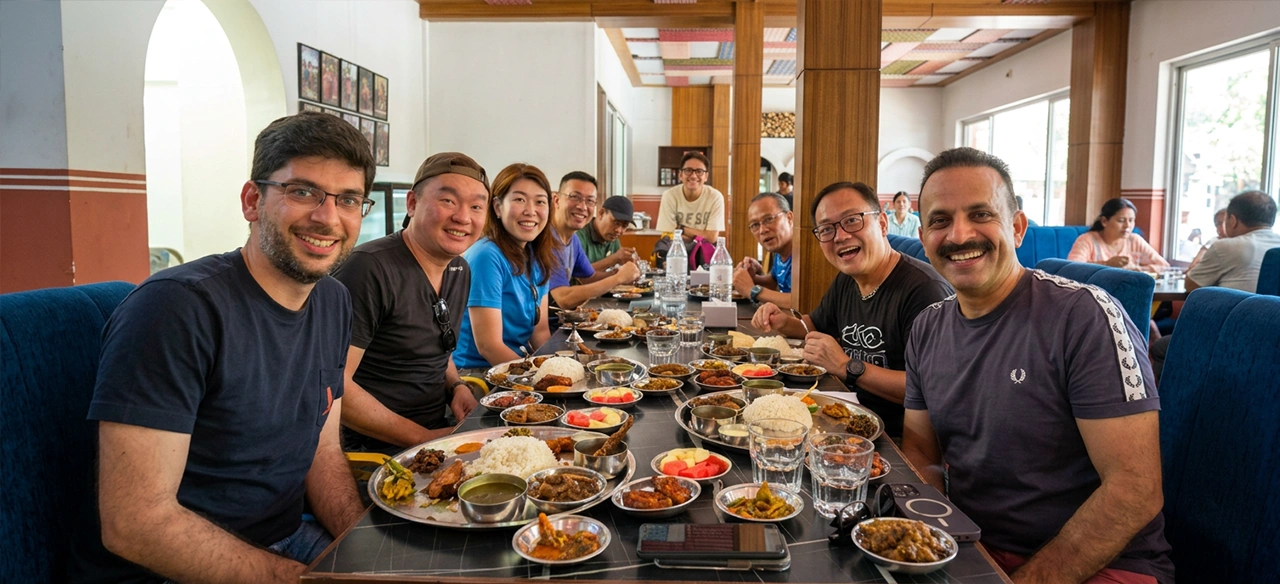
The use of local Himalayan spices like jimbu and timur gives our food a flavor that you cannot find anywhere else in the world. Resturant like Monalisa Thakali is one of the perfect place to have a traditional food.
Is traditional nepali food very spicy?
Most dishes are flavorful and aromatic rather than just being hot with chili. We use ginger, garlic, and turmeric to create a deep taste, though you can always add extra spicy pickles on the side if you like.
Are there many vegetarian options in authentic nepali recipes?
Yes, a large part of our diet is naturally vegetarian because meat was historically a luxury saved for special days. Most daily meals like Dal Bhat and Dhido are perfectly suited for people who do not eat meat.
What is the best way to eat traditional nepali food?
In a traditional setting, we use our right hand to eat so that we can fully feel the texture of the food. Another common way for families to eat together is to sit on a floor mat and enjoy the food while it’s still hot from the stove.
Conclusion
The study of traditional Nepali food illustrates how the inhabitants of Nepal have coexisted harmoniously with their environment for centuries. We can keep the real taste of our culture alive in our own kitchens by using local spices and cooking in the right way. Nepali food is a tasty and healthy way to get people together and learn about the history of the different parts of Nepal. Every dish, from a simple bowl of lentils to a big festival meal, tells the story of the hard-working farmers and the customs of our ancestors.